



Introduction to Global Logistics
In the complex world of international trade, moving goods from point A to point B involves more than just booking a ticket on a ship or plane. It requires navigating a maze of customs regulations, documentation, and logistical challenges. This is where the concept of freight forward becomes critical for any successful international buyer.
Whether you are importing electronics from Asia, textiles from Europe, or machinery from North America, understanding how freight forwarding works can save you time, money, and significant stress. This guide aims to demystify the process and help you make informed decisions for your supply chain.
What is a Freight Forwarder?
A freight forwarder is essentially a travel agent for cargo. They do not typically move the freight themselves; instead, they act as an intermediary between the shipper (you) and various transportation services. They leverage their expertise and network to negotiate the best rates and choose the most efficient routes.
Key Distinction
Unlike carriers (who own the ships, planes, or trucks), freight forwarders organize the journey. They handle the logistics, documentation, and compliance, ensuring your goods arrive safely and legally.
Core Responsibilities
Documentation: Preparing bills of lading, commercial invoices, and packing lists.
Customs Clearance: Handling import and export declarations to ensure compliance with local laws.
Cargo Insurance: Offering insurance options to protect your goods against loss or damage.
Warehousing: Providing storage solutions if your goods need to be held before final delivery.
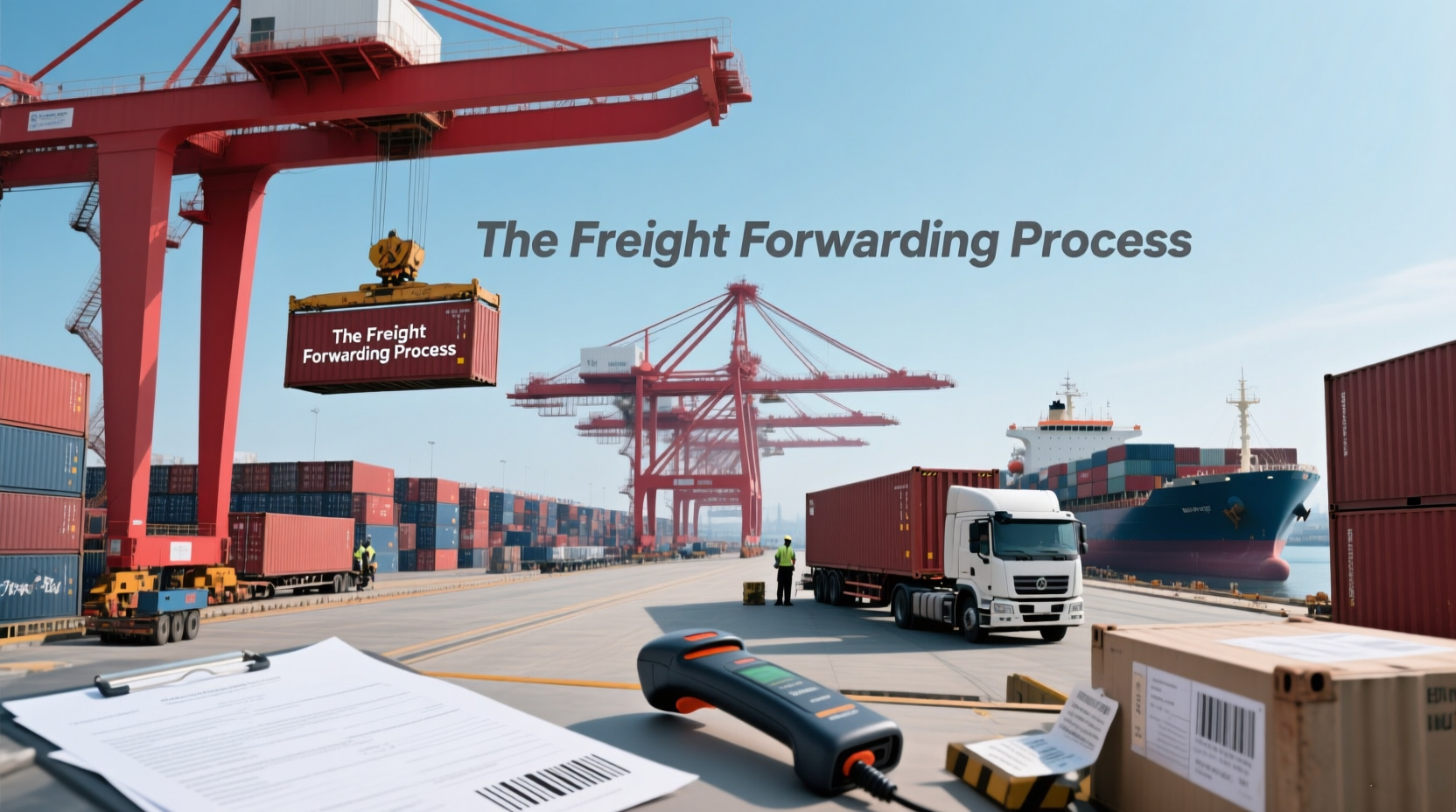
The Freight Forwarding Process
When you engage a freight forwarder, the process typically follows these steps:
Export Haulage: The transfer of goods from the seller’s premises to the forwarder’s warehouse or port of origin.
Export Customs Clearance: Goods must be cleared by the customs authority of the exporting country.
Origin Handling: Checking, unloading, and sorting goods at the terminal.
Import Customs Clearance: Documents are checked and duties/taxes are paid in the destination country.
Destination Handling: Transfer of the bill of lading and handling of the cargo at the destination terminal.
Import Haulage: Final delivery of the goods to the buyer’s premises.
Modes of Transportation
Choosing the right mode of transport is crucial for balancing cost and speed. A good freight forwarder will advise you on the best option based on your specific needs.
| Mode | Best For | Pros | Cons |
|---|---|---|---|
| Ocean Freight | Bulk goods, heavy items, non-urgent shipments | Cost-effective for large volumes | Slower transit times |
| Air Freight | High-value, perishable, or urgent goods | Fastest delivery method | Significantly more expensive |
| Road Freight | Regional shipping, last-mile delivery | Flexible, door-to-door service | Limited by geography and traffic |
| Rail Freight | Heavy bulk over land (e.g., China-Europe) | Cheaper than air, faster than sea | Fixed routes and schedules |
Why International Buyers Need Freight Forwarders
For businesses looking to scale globally, attempting to manage logistics in-house can be overwhelming. Here is why partnering with a professional freight forward service is advantageous:
1. Cost Efficiency
Forwarders have established relationships with carriers, allowing them to negotiate lower shipping rates than individual shippers could achieve on their own.
2. Regulatory Compliance
International trade laws change frequently. Forwarders stay updated on tariffs, taxes, and restricted items, preventing costly delays or fines at customs.
3. Risk Management
From cargo insurance to secure packaging advice, forwarders help mitigate the risks associated with long-distance transportation.
How to Choose the Right Freight Forwarder
Not all forwarders are created equal. When selecting a partner for your freight forward needs, consider the following factors:
Experience: Do they have experience in your specific industry or with your type of goods?
Network: Do they have strong agents in both the origin and destination countries?
Communication: Are they responsive and transparent about costs and timelines?
Technology: Do they offer digital tracking and easy documentation management?
Licensing: Ensure they are licensed by relevant authorities (e.g., FMC in the US, FIATA globally).
Ready to Streamline Your Shipping?
Efficient logistics is the backbone of successful international trade. By understanding the role of freight forwarding, you empower your business to expand globally with confidence. Contact our team today to learn how we can optimize your supply chain.