



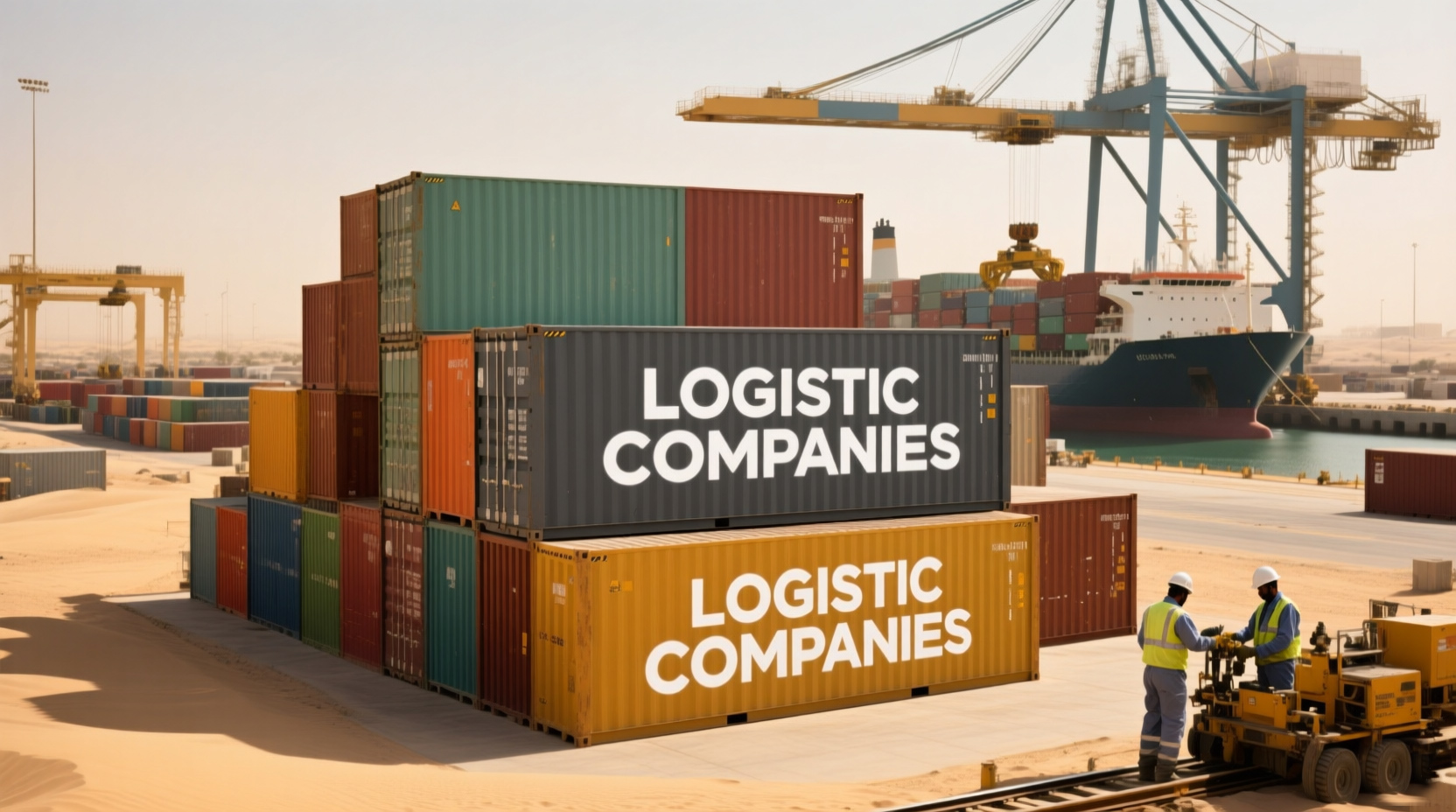
In today's fast-paced global economy, logistic companies serve as the backbone of supply chain management, ensuring goods move seamlessly from manufacturers to consumers. Whether you're a small e-commerce startup or a large multinational corporation, selecting the right logistical partner can determine your business's success or failure. According to a 2026 report by McKinsey, businesses that optimize their logistics see a 15% increase in customer satisfaction and a 20% reduction in operational costs. This article delves into the key factors to consider when evaluating logistic companies, leveraging real-world case studies and data to guide your decision-making process.
Why the Right Logistic Companies Matter
The term logistic companies encompasses a broad range of services, from warehousing and inventory management to freight forwarding and last-mile delivery. A poor choice can lead to delayed shipments, damaged goods, and reputational damage. For instance, in 2025, a major retailer suffered a $50 million loss due to a partner's inadequate cold chain logistics. Conversely, companies like Amazon and Zara have built their empires on efficient logistic networks. A survey by Statista reveals that 67% of supply chain professionals prioritize reliability over cost when selecting logistic companies, emphasizing the long-term value of quality over cheap rates.
Evaluating Key Services Offered by Logistic Companies
When comparing logistic companies, start by assessing their core capabilities.
Multimodal Transport: Do they offer air, sea, road, and rail options? A 2026 benchmark study by Supply Chain Digital found that companies using multimodal logistic companies report 30% faster delivery times.
Specialized Handling: Can they manage hazardous materials or temperature-sensitive goods? Companies like DHL and FedEx excel in specific niches.
Technology Integration: Modern partners use AI for route optimization and blockchain for transparency, reducing errors by 40%.
Cost vs. Value in Logistic Companies
Price is often a primary concern, but low-cost logistic companies may cut corners. Consider hidden fees, like fuel surcharges or storage penalties, which can inflate bills by 25% annually. The case of Sportera, a UK-based sporting goods firm, highlights this: they switched from a budget provider to a mid-tier logistic companies and saw a 12% rise in repeat customers due to on-time deliveries. A 2025 Gartner analysis suggests negotiating contracts with volume discounts and service-level agreements (SLAs), ensuring both parties share risks. Ultimately, value-driven logistic companies balance affordability with reliability.
Technology and Sustainability in Modern Logistic Companies
The digital revolution has reshaped logistic companies, with tools like IoT sensors and warehouse robotics boosting efficiency. A standout example is Maersk, which reduced fuel consumption by 18% through smart shipping algorithms. Additionally, sustainability is no longer optional—consumers expect eco-friendly practices. According to a 2026 Nielsen report, 73% of shoppers prefer brands using green logistic companies, such as those with electric fleets or carbon offset programs. UPS, for instance, has invested $1.5 billion in alternative fuel vehicles, helping businesses meet their ESG goals. Look for partners that offer reports on emissions and packaging minimization.
Common Pitfalls When Working with Logistic Companies
Mistakes can be costly. Avoid vague contracts—ensure that logistic companies outline responsibilities for customs clearance, returns, and force majeure. The 2020 pandemic caught many off guard, with 40% of businesses reporting supply chain disruptions due to unprepared partners. Another pitfall is over-reliance on a single provider; diversify carriers to mitigate risks. For example, the electronics firm Samsung maintains relationships with over 10 logistic companies regionally. Regularly audit performance metrics like on-time rate (target 95%+) and loss ratio, using tools like Key Performance Indicators (KPIs) to hold them accountable.
Case Study: Transforming Operations with a Top Logistic Companies
Consider FreshEats, a mid-size organic food company in Canada that struggled with spoilage rates of 12%. By transitioning to a specialized logistic companies offering cold chain solutions, they reduced waste to 3% within six months. The partner implemented temperature-monitoring smart tags and route-optimization software, cutting delivery times by 20%. This shift not only saved $500,000 annually but also boosted their market share due to fresher products. Such success stories underscore the transformative impact of selecting expert logistic companies tailored to your industry needs.
Conclusion: Securing Your Supply Chain with the Right Logistic Companies
In conclusion, choosing the best logistic companies requires a careful evaluation of services, cost transparency, technological innovation, and sustainability practices. As data demonstrates, partnerships with reliable logistic companies enhance customer loyalty and operational efficiency. To stay competitive in 2026 and beyond, start by analyzing your current logistics gaps, request proposals from three to five providers, and test their performance with a pilot shipment. Remember, your supply chain is only as strong as your logistic companies—make this decision with diligence and foresight. For further insights, consult industry reports like those from the Council of Supply Chain Management Professionals (CSCMP).